Soft caecotroph accumulation (“caecal dysbiosis”) is not a disease by itself — it is a sign of an underlying problem. Caecotrophs form in the caecum, are nutrient-rich, and are normally produced in the early morning. Owners usually do not see them because rabbits ingest them directly from the anus. Sometimes rabbits cannot consume caecotrophs, which may be mistaken for diarrhoea.
Caecotrophs are dark, soft, sticky, mucus-coated, and tend to clump.
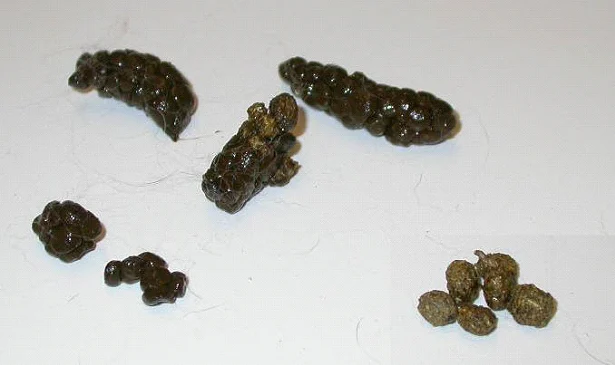
Predisposing factors include inadequate hay in the diet, drugs that alter taste of caecotrophs, dental or spinal disease, obesity, etc.
It must be differentiated from true diarrhoea.
Diagnosis requires history, blood tests (CBC and biochemistry), faecal parasite exam, and radiographs.
Treatment
Treatment combines diet modification, treatment of the primary problem, and hygiene of the perineum.
If you are unsure about your pet’s diagnosis and want a second opinion, you can request a veterinary consultation via messengers, phone, or the form on this page.